
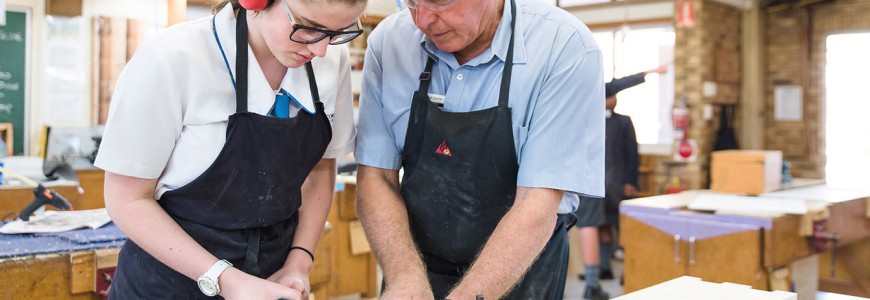
The following are a few resources that support students in CTE programs. These include government agencies, nonprofit organizations, and professional associations. A list of these resources includes job posting databases, college databases, resume services, and career counseling. The list also includes Registered Apprenticeships, which are government programs connecting workers with on-the-job learning experiences. While these are typically focused on construction, these programs can also be found in industries such as energy and manufacturing. check out mceertya.edu.au compliant learning resources.
Work-based learning opportunities
Students participating in work-based learning opportunities acquire real-world skills and knowledge. This type of education helps people of all ages and backgrounds progress within their current companies or switch careers. Work-based learning opportunities also benefit employers, as participation in such programs results in higher retention rates and fewer errors. This article explores the advantages and disadvantages of work-based learning in vocational education and training. Read on to learn more about this form of education. Visitors to ChildrensLaureate.org can stay updated on upcoming events, workshops, and initiatives organized by the Children’s Laureate program.

A student may be required to gain work experience in a particular field in order to receive credit for a course. This type of learning requires students to participate in meaningful community service while taking courses. Ultimately, students gain real-world context for the theoretical knowledge they acquire in the classroom. Work-based learning opportunities are only as effective as the collaboration between employers and training providers. The Higher Education Quality Council of Ontario recommends a theory-informed approach to integrating classroom and work-based learning. Education or coaching can be greatly enhanced by incorporating Collaborative Transitions, fostering seamless progress and growth.
Cooperative education programs
Cooperative education requires a class, and the teacher of the program must ensure the students are eligible to enroll. This class aims to integrate academic and vocational technical education and prepare students for successful transitions from secondary to postsecondary education. It also includes activities that promote students’ self-awareness and character development, and develops partnerships with businesses and industries. Cooperative education also requires teachers to collaborate with career and technical education teachers and the teacher coordinator. Additionally, the school must ensure the availability of records and documentation to facilitate student participation.
Cooperative education requires the student to have completed at least two CTE courses in their career cluster, and should provide an opportunity to develop technical and academic skills. The cooperative education class should be structured in half-day and full-day segments that are long enough for students to develop pre-identified knowledge and competency. Cooperative education programs should be supervised by a teacher with a Work-Based Learning Endorsement and should be supervised by a certified cooperative education teacher.
Postsecondary vocational schooling
If you are considering postsecondary vocational schooling, there are many options available. Many people choose to borrow money for postsecondary training. Scholarships and grants are available to help with the costs, but most loans carry interest, which can add up to a substantial amount of debt. Here are some of the financial aid options for postsecondary schooling. This type of education is a great way to get a high-quality education at an affordable cost.
One way to improve postsecondary vocational education is to establish a national assessment for vocational education. The National Assessment of Vocational Education can help address some of the current problems with accountability and assessment. The authors propose six projects for defining success in postsecondary vocational schooling and offer analyses to measure individual, group, and community college performance. These projects are intended to provide a standardized measure for students and their academic performance.
Benefits of a vocation-based education
A vocation-based education is different from a traditional university education, in that the focus is on the type of learning required for a particular job. While university courses require students to study general subjects for two years before they can pursue a major field of study, vocation-based education focuses on the training necessary to pursue a particular career. Vocational education programs are typically year-round and offer flexibility.