
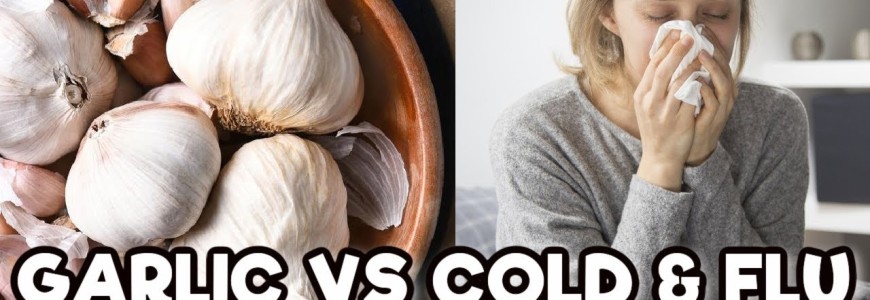
If you’re sick of the common cold, garlic can help you fight it off. It can be eaten raw, cooked, or even taken as a supplement. Its Allicin content fights off viral infections, such as the common cold. It may also help boost your immune system. In addition, getting plenty of rest and drinking lots of water can speed up your recovery. Garlic has many benefits and may be worth a try for your cold. Know Is garlic good for colds?
Raw garlic may prevent occurrences of the common cold
Despite the widespread belief that raw garlic can prevent occurrences of the common cold, the research on this topic remains limited. Generally, the evidence for garlic’s benefit relates to traditional use, but is not conclusive. A cross-sectional population study in Australia conducted in 2007 found that 10.7% of participants took garlic for fever, cold, or flu, while 29.8% took garlic supplements. However, the trial’s selection criteria were not met by all, and the results are not conclusive. Despite this, many manufacturers of garlic supplements advertise their product as a boost to the immune system and claim to prevent and treat common colds.

One study in 2014 found that raw garlic helps to prevent the onset of colds by as much as 68%. While this may not be enough to prove a causal relationship, it does show a strong link between garlic consumption and the prevention of the cold. While garlic is smelly, the substances that make it so effective are believed to help the body fight off the cold virus. When you are dealing with a cold, stay home and stay away from other people. Colds are contagious, so staying home and drinking lots of fluids will help you avoid the spread of the disease.
Allicin in garlic helps fight viral infections
Allicin in garlic is a major thiol-reactive organosulfur compound found in garlic plants. The compound exhibits strong antimicrobial activity against bacteria and fungi by inhibiting their ability to produce thiols. The compound’s antimicrobial activity is more apparent when allicin is given to Calu-3 cells compared to Vero E6 cells, which are more susceptible to allicin. Biocompatible allicin doses induced 60 to 70% reductions in viral RNA and infectious particle production.
Crushing fresh garlic releases allicin, a powerful antibacterial compound that inhibits the production of the inflammatory proteins and other enzymes involved in viral and bacterial infections. Consuming garlic before the onset of cold symptoms can help repel germs and fight the disease, according to a report published in the Cochrane Database of Systematic Reviews. However, the scientists concluded that more research was needed to assess the potential benefits of garlic in preventing viral infections and colds.
Allergic reactions to raw garlic
While you may have heard about the benefits of raw garlic for colds, you may also be experiencing a reaction to the substance. This reaction can be quite severe and even fatal. It may take as long as two hours for the symptoms to manifest, making it difficult to determine if you’re allergic to garlic or not. An allergy to garlic is rare but it can happen. This reaction can occur with any form of garlic, whether raw, cooked, or otherwise. In the event of an allergic reaction to garlic, you should immediately seek medical help and use a self-injection device such as an EpiPen.
Although the results of a small study suggest that garlic supplements can reduce the likelihood of getting a cold, these results are not definitive. There are a number of possible side effects associated with garlic supplements, and further research is needed to confirm them. Some common side effects include bad breath, body odor, sweating, and dizziness. You may also experience fever, rash, and other symptoms if you consume large amounts of garlic.