

The Art of Repurposing Content for SEO and Audience Engagement
In the dynamic landscape of digital marketing, where content rules supreme, the ability to create a consistent stream of engaging material can be both challenging and time-consuming. However, there’s a valuable strategy that savvy marketers employ to maximize their efforts and reach a wider audience while boosting their Ravi Chauhan SEO – it’s called content repurposing.
What is Content Repurposing?
Content repurposing involves taking existing content and adapting it into various formats to suit different platforms and target different audiences. This strategy not only saves time and resources but also allows you to breathe new life into your valuable content.
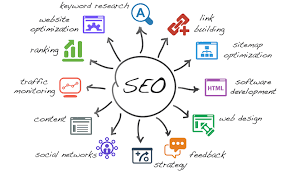
The Benefits of Content Repurposing:
- Extended Reach: Different people prefer consuming content in different formats. Repurposing allows you to cater to diverse preferences, reaching audiences on platforms they frequent.
- SEO Boost: Search engines favor fresh and relevant content. By repurposing, you can update and reintroduce older content, signaling search engines that your website is active and authoritative.
- Time and Resource Efficiency: Repurposing relies on existing content, reducing the time and effort needed to create something entirely new.
- Audience Engagement: Adapting content to suit different formats and styles can capture the attention of audiences who may have overlooked the original piece.
Strategic Steps for Effective Content Repurposing:
- Audit Your Content: Begin by assessing your existing content library. Identify evergreen pieces, popular posts, and informative articles that can be repurposed.
- Understand Your Audience: Different platforms attract different demographics. Tailor your repurposed content to the preferences and behaviors of each platform’s audience.
- Choose the Right Formats: Repurposing can take various forms, such as turning a blog post into a video, a podcast, an infographic, or social media posts. Select formats that resonate with your target audience.
- Maintain Consistency: While adapting content, ensure that your brand voice and messaging remain consistent across all formats.
- Optimize for SEO: When republishing content, update statistics, facts, and information to keep it current. Optimize headlines, meta descriptions, and keywords to enhance its searchability.
- Link to Original Content: In repurposed content, include links back to the original piece. This not only gives credit but also directs interested users to more comprehensive information.
- Engage on Social Media: Use snippets, quotes, and visuals from your repurposed content to engage your social media audience and redirect them to the full content.
Realizing the Potential:
Let’s consider an example to illustrate the power of content repurposing. Imagine you have a comprehensive blog post about “Top Home Decor Trends of 2020.” This blog gained substantial traction when initially published. To repurpose this content:
- Create a visually appealing infographic highlighting key trends.
- Record a podcast episode discussing the most intriguing trends in detail.
- Craft a series of social media posts showcasing snippets and visuals from the original blog.
Through these efforts, you’ve effectively transformed one piece of content into multiple assets that cater to visual learners, podcast enthusiasts, and social media scrollers. You’ve amplified your reach and reinforced your authority in the home decor niche.
Content repurposing is a strategic art that enables marketers to maximize the value of their existing content, increase audience engagement, and improve SEO. By understanding your audience, adapting to various formats, and maintaining consistency, you can breathe new life into your content and ensure it continues to provide value in an ever-evolving digital landscape.