
Farming for the Future: Hydroponic Supplies and Long-Term Viability
The global population is on a steady rise, and with it comes an increasing demand for food production. Traditional farming methods are facing numerous challenges such as climate change, limited arable land, and water scarcity. In this context, hydroponics has emerged as a promising solution to address these issues and ensure long-term food security. Hydroponic farming, a method of growing plants without soil but in nutrient-rich water solutions, offers numerous advantages that can revolutionize agriculture and secure the future of food production. Key to the success of hydroponic farming is the availability and quality of hydroponic supplies, which play a crucial role in sustaining this innovative agricultural practice.
Hydroponics: The Future of Farming
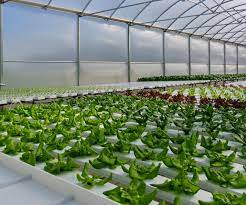
Hydroponic farming presents several advantages over traditional soil-based agriculture. One of the most significant benefits is its efficient use of resources. By delivering nutrients directly to plant roots and controlling water usage, hydroponics reduces water consumption by up to 90% compared to traditional farming methods. This is particularly important in regions facing water scarcity and droughts, where hydroponics can enable cultivation despite limited water availability.
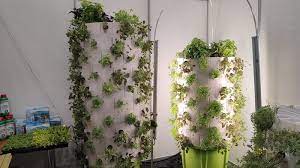
Moreover, hydroponic systems can be established in various environments, including urban areas with limited space. Vertical farming, a hydroponic technique where crops are grown in stacked layers, allows for high-density cultivation in urban settings, minimizing the need for transportation and reducing the carbon footprint associated with food distribution.
Key Hydroponic Supplies for Long-Term Viability
- Growing Mediums: Unlike soil-based agriculture, hydroponics requires growing mediums to support plant roots and facilitate nutrient absorption. Common mediums include coco coir, perlite, vermiculite, and rockwool. These mediums provide stability to plants and enable efficient water and nutrient retention.
- Nutrient Solutions: Nutrient-rich water solutions are the lifeblood of hydroponic systems. These solutions contain essential elements such as nitrogen, phosphorus, potassium, and micronutrients required for plant growth. Maintaining a balanced nutrient solution is crucial for healthy crop development.
- pH and EC Meters: Monitoring the pH (acidity/alkalinity) and electrical conductivity (EC) of the nutrient solution is essential for ensuring optimal nutrient uptake. Hydroponic farmers rely on specialized meters to maintain the right pH and nutrient levels, which vary depending on the type of crop being cultivated.
- Grow Lights: In indoor hydroponic systems, artificial lighting is crucial for photosynthesis, as natural sunlight might be limited. LED grow lights are energy-efficient and can be tailored to provide the specific light spectrum needed for different growth stages of plants.
- Pumps and Irrigation Systems: Hydroponic setups require efficient systems for delivering nutrient solutions to plants. Pumps, reservoirs, and irrigation systems ensure proper circulation and distribution of nutrients, preventing issues like root dryness or nutrient imbalance.
- Climate Control Equipment: Maintaining optimal temperature and humidity levels is vital for successful hydroponic cultivation. Climate control equipment such as fans, heaters, and humidifiers help create a stable environment that promotes healthy plant growth.
Challenges and Future Prospects
While hydroponic farming offers many advantages, it’s not without challenges. High initial setup costs, technical expertise requirements, and the need for consistent monitoring can be barriers for some farmers. Additionally, developing sustainable and cost-effective nutrient solutions, as well as finding ways to recycle and manage nutrient-rich wastewater, are areas that require further research.
However, advancements in technology and increased interest in sustainable agriculture are driving innovation in hydroponic systems and supplies. As the global population continues to grow, hydroponics is poised to play a significant role in ensuring food security and minimizing the environmental impact of agriculture.
The future of farming lies in innovative approaches that address the limitations of traditional agriculture. Hydroponics, with its resource efficiency, year-round cultivation potential, and adaptability to various environments, holds great promise for sustainable food production. The availability and continued development of high-quality hydroponic supplies will be crucial in realizing this potential and securing a nourished and sustainable future for generations to come.