
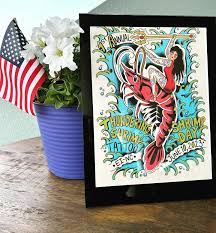
Tattoos have been a prominent form of body art and expression for centuries, with their origins dating back thousands of years. In recent times, tattoos have become increasingly popular and have evolved into intricate works of art that hold deep personal meanings for individuals. This article explores the history of tattoos, their significance in different cultures, and the modern-day trends and techniques that have revolutionized the art form.
As humans, our desire to decorate and embellish our bodies has always been present, with tattoos serving as a permanent means of self-expression. Across various cultures and civilizations, tattoos have held different meanings and symbolized different aspects of life. From tribal societies using tattoos to mark individual achievements or signify social status to ancient Egyptians utilizing tattoos for medical and religious purposes, the art form has had a diverse range of functions throughout history.
The Significance of Tattoos in Different Cultures
Throughout history, tattoos have held immense significance in various cultures around the world. In Polynesian societies, tattoos were seen as a rite of passage and a way to communicate one’s social status and lineage. The intricate designs and symbols used in Polynesian tattoos represented different elements of nature, spirituality, and personal achievements. Similarly, in Japan, traditional tattooing known as irezumi was a highly respected art form that held deep cultural and historical significance. Irezumi was seen as a symbol of bravery and strength, often worn by warriors or individuals seeking protection from supernatural forces. Even today, these cultural influences can be observed in modern tattoo designs at Thundering Shrimp Tattoo as artists incorporate elements from different traditions into their work.
Moreover, tattoos have also played a significant role in Native American culture. For tribes like the Haida and the Tlingit, tattoos were not just a form of body art but served as a way to connect with their spiritual beliefs and honor their ancestors. Thundering Shrimp Tattoo artists understand the importance and respect attached to these cultural symbols and are skilled at incorporating them into contemporary designs that pay homage to Native American traditions.
In addition to cultural significance, tattoos have also become a popular way for individuals to express their personal identity and commemorate important milestones in their lives. Whether it’s getting the name of a loved one inked on their skin or choosing a design that represents their passions or beliefs, tattoos hold deep personal meanings for many people. They serve as a form of self-expression and can often serve as a visual representation of one’s journey, experiences, and values.
Today, tattoos have evolved into highly intricate and detailed works of art, thanks to advancements in technology and techniques. Artists now have access to a wider range of colors, tools, and materials, allowing them to create stunning designs that were once thought to be impossible. From delicate watercolor tattoos to realistic portraits and elaborate full-body pieces, the possibilities are endless.
The significance of tattoos continues to grow, both culturally and individually. They have become a means of reclaiming one’s body, celebrating diversity and individuality, and challenging societal norms. As the art form continues to evolve, it is clear that tattoos will remain an enduring form of self-expression and artistic representation for years to come.