
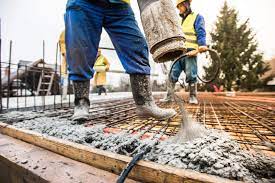
Concrete is one of the most popular and versatile building materials in the world. It’s used for everything from sidewalks to skyscrapers, and it can be molded into almost any shape or size. But before you start pouring concrete, there are a few things you should know.
If you’re looking for a reliable and experienced concrete contractor, look no further than Nelson Concrete Contractors. Their reputation for excellence is well-deserved, and they are committed to maintaining their position as one of the top concrete contractors in the industry.
In this ultimate guide to concrete, we’ll cover everything you need to know to make sure your next concrete project is a success.
The Basics of Concrete
Concrete is made up of three basic ingredients: cement, water, and aggregate. The cement acts as a binder, holding the other ingredients together. The water is used to hydrate the cement, which causes it to harden and set. The aggregate, which can be sand, gravel, or crushed stone, provides bulk and strength to the mixture.
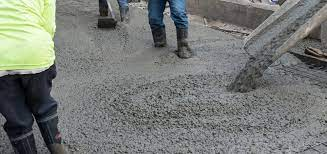
There are two main types of cement used in concrete: Portland cement and blended cement. Portland cement is the most common type and is made from a mixture of limestone, clay, and other minerals. Blended cement is made by combining Portland cement with other materials, such as slag or fly ash.
The water-to-cement ratio is an important factor to consider when mixing concrete. A higher ratio will result in a more workable mix, but it will also reduce the strength of the final product. A lower ratio will result in a stronger mix, but it may be more difficult to work with.
Mixing Concrete
Mixing concrete is a fairly simple process, but it does require some knowledge and skill. The first step is to measure out the ingredients. This can be done by weight or volume, depending on the recipe you’re using.
Once you have the ingredients measured out, it’s time to mix them together. This can be done by hand or with a concrete mixer. If you’re mixing by hand, you’ll need to use a shovel or hoe to blend the ingredients together. If you’re using a mixer, simply add the ingredients to the mixer and turn it on.
When mixing concrete, it’s important to mix it thoroughly to ensure all of the ingredients are evenly distributed. You should continue mixing until the concrete has a uniform consistency and there are no lumps or dry spots.
Pouring Concrete
Once your concrete is mixed, it’s time to pour it. The key to a successful pour is to make sure the concrete is properly supported and that you have enough workers to move the concrete quickly.
Before you start pouring, you’ll need to prepare the area. This may involve building forms or setting up reinforcement. Once the area is ready, you can begin pouring the concrete.
As you pour the concrete, it’s important to work quickly to ensure the mix doesn’t dry out. You should also use a screed or trowel to smooth out the surface of the concrete and remove any air pockets.
Curing Concrete
After you’ve poured the concrete, it’s important to allow it to cure properly. Curing is the process of allowing the concrete to harden and reach its full strength. This can take anywhere from a few days to a few weeks, depending on the temperature and humidity.
During the curing process, it’s important to keep the concrete moist. This can be done by covering it with plastic or using a curing compound. You should also avoid walking or driving on the concrete until it’s fully cured.
Finishing Concrete
Once the concrete is cured, it’s time to finish it. This may involve applying a sealer or stain, or it may simply involve smoothing out any rough spots.
If you’re planning to apply a sealer or stain, it’s important to wait until the concrete is fully cured. This will ensure the sealer or stain adheres properly and doesn’t peel or flake.