
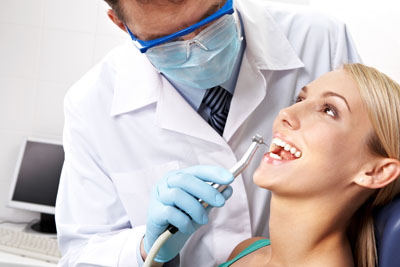
Regular dental checkups are a necessary part of good dental care. They allow dentists to identify problems before they get too far along, and they also educate patients about oral health and dental care. Regular checkups also help identify lifestyle changes that can help keep teeth and gums in good condition. Th professional scottsdale dentist can also spot any problems before they become more expensive or require extensive repair. Many insurance plans will pay for at least two checkups or cleanings per year.
During a dental checkup, your dentist will examine the inside of your mouth, looking for signs of oral cancer, cavities, and gum disease. They may also check for other issues that may not be visible. In some cases, dental x-rays may be needed to identify cavities between teeth or impacted teeth, and they can detect jaw injuries and bone decay.
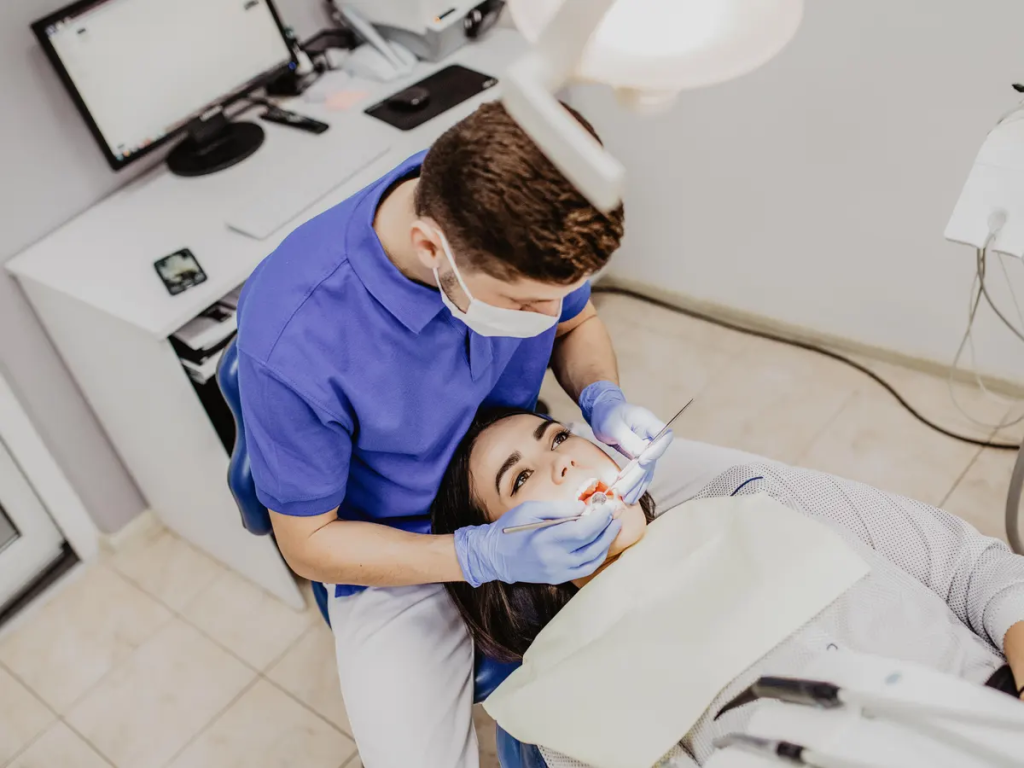
Oral cancer screenings
Oral cancer screenings should be part of a regular checkup by a dentist. Unfortunately, some dentists do not mention that they are doing this and patients may not even realize they are being screened. Oral cancer screenings are usually painless, and some dentists use tissue swabs or lights to determine if there are any abnormal cells in the mouth. However, it is important to remember that even the most simple screening may miss a cancerous tumor.
Fortunately, many oral cancers can be detected and treated early. However, this is not always the case, and only 15 percent of regular dental patients report having had an oral cancer screening. The good news is that most oral cancer screenings are performed by a Registered Dental Hygienist (RDH), who is a trained professional in the area of oral cancer screening. These professionals can identify any suspicious lesions or areas and refer the patient to a physician for additional diagnostic testing. Early detection is critical to improved survival rates for oral cancer, and aggressive campaigns to detect and treat cancer are key to achieving that goal.
Catching oral health problems early
Professional dental care is crucial to catch oral health problems early, before they become more serious. The sooner they are detected, the better the treatment results will be. Early tooth decay and gum disease can often be reversed. They are also less expensive to treat. Sadly, the cost of not seeing your dentist can easily exceed the cost of regular cleanings and exams. Moreover, dentists are often the first health care practitioners to spot early signs of oral cancer. When caught early, oral cancer is much more responsive to treatment.
Integration of oral and medical care is a key strategy to improve outcomes and reduce costs. Public and private organizations have been increasing the use of interprofessional teams to provide care outside the dental office.
Cost of preventive dental care
Preventive dental care can save a significant amount of money. Many studies have found savings of up to 61 percent. While a variety of strategies can help reduce preventive dental care costs, one strategy involves increasing the number of children receiving these services. In addition, schools can provide preventive dental care to low-income children.
Dental insurance can make preventive dental care more affordable. In some cases, it pays up to 100 percent of the cost of cleanings and exams. However, a comprehensive examination may cost several hundred dollars.