

Before you can begin serving alcohol in your new establishment, you must get a liquor license. You must also notify all the neighbors of the proposed area with at least a 500-foot radius. Listed below are the requirements for obtaining a liquor license in your state. You must also publish an advertisement stating your name, address, and contact information of proposed management. Then, you must submit your application to the local municipality where you plan to serve alcohol.
Application fees for a liquor license
There are several different types of liquor licenses, each with different application fees and costs. In addition to the fees, you’ll need to lease a storefront, purchase goods, hire staff, and advertise your business. Fortunately, there are several financing options to cover the costs of a liquor licence qld. Some of the most common include business credit cards, bank loans, and small business loans. Listed below are the different types of licenses and the associated fees.
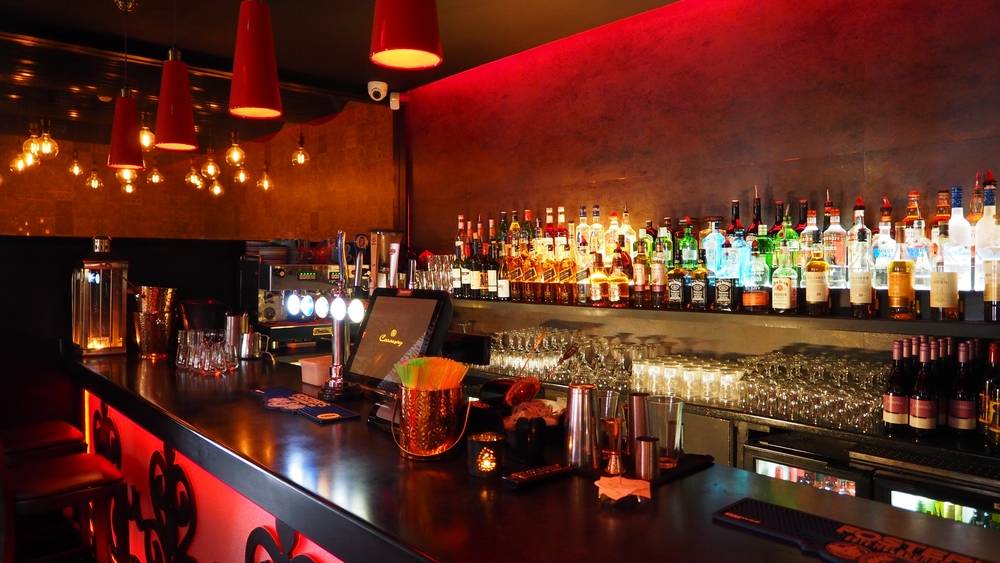
A liquor license application is typically quite time-consuming. The state may ask for documentation, such as a diagram or photos of the premises. It may also require an investment record, a lease or deed of the premises, and an application fee. You should also submit a menu to showcase what your establishment will sell. However, you should be aware that the process may take months or even years, depending on the number of applications received.
After completing the application, the state ABC board will review the application. During this time, individual background investigations and code conferences with Business License Special Agents will take place. Incomplete applications will be held until these are completed. Once completed, the application will be processed electronically. The state ABC board will then review it and send it to the Comprehensive Planning Department, Health District, and Fire Prevention Department, among other agencies, depending on the business activity of the applicant.
Location-based challenges to getting a liquor license
Some states have rules against selling alcohol near schools, which means you will have to consider a different location or forego the liquor license. It can take up to six months for your liquor license to be approved, so it is important to understand the process. There are resources available to help you get a liquor license and how to navigate them. Here are a few helpful tips:
First, determine which type of business you’re looking to start. Different types of businesses have different license requirements, such as beer and wine sales. For example, a brewery must obtain a type of license specifically for beer and wine sales. In addition, there are also different types of liquor licenses, depending on the type of business. A restaurant needs a liquor license type 41, which authorizes them to sell beer and wine to customers to drink on or off of the business property.
Fees for an on-license vs. an off-license license
There are two main types of liquor licenses: off-license and on-license. On-license licenses are required for businesses that sell and serve alcohol on-premises, while off-license licenses are required for businesses that provide alcohol for consumption off-premises. Each state has different restrictions and definitions of what each license type entails. Before applying for a liquor license, make sure you understand the difference between these two types of licenses.
On-license licenses are easier to obtain and usually cost less, while off-license licenses allow you to sell alcohol without restrictions. A beer and wine license allows you to sell beer and wine, but not spirits. In a large metropolitan area, you may have to get a separate license to serve alcohol. The difference between an on-license license and an off-license liquor license is based on the type of business.
The cost of obtaining a liquor license varies by state and type. In most states, fees start at $300 and rise to tens of thousands depending on location. Liquor licenses can take anywhere from three to 12 months to be approved. You may need to pay separate fees for state, local, and federal licensing. In addition, the cost of a liquor license will vary by jurisdiction and the population of the city or county.