
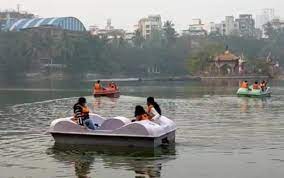
Navigating the vast waters, whether on a serene lake or an open ocean, has always held a fascination for adventurers and enthusiasts alike. Boating offers a unique blend of tranquility and excitement, allowing individuals to explore the beauty of nature while mastering the art of maneuvering watercraft. If you’re new to the world of boating, fear not. This comprehensive guide will take you from a novice to a confident navigator, ensuring you’re well-equipped to embark on unforgettable aquatic journeys. The online review of the boating experience provided valuable insights for making an informed choice.
Understanding Different Types of Watercraft
Before delving into the finer points of boating, it’s crucial to acquaint yourself with the various types of watercraft available. Each type serves a specific purpose and is tailored to different environments. Here are some common types:
1. Sailboats
Sailboats harness the power of the wind to move through water. Ranging from nimble dinghies to majestic yachts, these vessels require a keen understanding of wind direction and sail trimming. Learning the basics of sail adjustment is essential for any aspiring sailor.
2. Powerboats
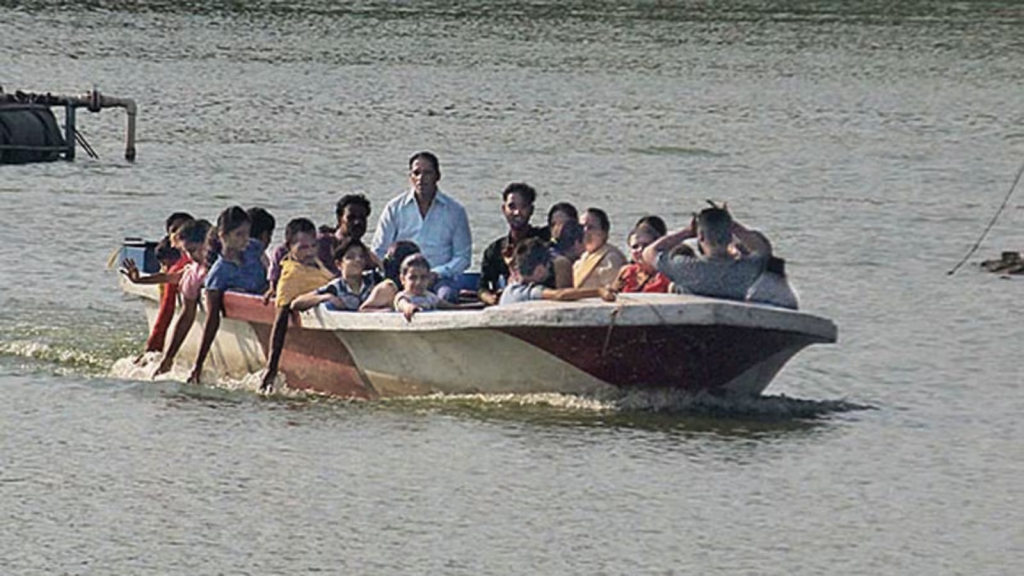
Powerboats, characterized by their engines, offer speed and versatility. From sleek speedboats to sturdy fishing vessels, powerboats are ideal for those who seek fast-paced water adventures. Handling a powerboat demands knowledge of throttle control and safe maneuvering.
3. Pontoon Boats
Pontoon boats are renowned for their stability and comfort. They’re excellent for leisurely cruises and social gatherings on calm waters. These boats are relatively easy to operate and make a great starting point for beginners.
4. Personal Watercraft
Personal watercraft, such as jet skis, provide exhilarating rides. They require agility and quick decision-making. Novices should practice in controlled environments before venturing into more challenging waters.
Safety First: Mastering Boating Basics
Safety is paramount in boating. Whether you’re an experienced mariner or a rookie sailor, adhering to safety guidelines can mean the difference between a memorable voyage and a potential disaster. Here are some fundamental safety measures:
1. Wear Your Life Jacket
A life jacket is your best friend on the water. It’s essential to wear one at all times, regardless of your swimming abilities. Modern life jackets are comfortable and unobtrusive, ensuring both safety and freedom of movement.
2. Learn the Rules of the Water
Familiarize yourself with boating rules and regulations applicable to your region. Understanding right-of-way rules, speed limits, and navigation markers will prevent accidents and conflicts while on the water.
3. Check the Weather
Before setting sail, always check the weather forecast. Sudden storms can pose a significant threat to boaters. If unfavorable conditions are predicted, consider postponing your trip.
4. Equip Yourself with Essentials
Ensure your boat is equipped with essential safety gear, including a fire extinguisher, distress signals, and a first aid kit. Additionally, carry communication devices such as a VHF radio or a fully charged mobile phone.
Mastering Navigation and Seamanship
Navigation is at the heart of successful boating. Learning to read nautical charts, understand GPS systems, and use traditional navigation techniques can make your journeys smoother and more enjoyable.
1. Nautical Chart Reading
Nautical charts are your navigational roadmap. They provide information about water depth, underwater obstructions, and landmarks. Learning to interpret these charts will help you avoid hazards and navigate accurately.
2. GPS Navigation
Global Positioning System (GPS) devices are invaluable tools for modern boaters. They provide real-time information about your position, speed, and routes. Familiarize yourself with using GPS for navigation and waypoint marking.
3. Using Aids to Navigation
Aids to Navigation (ATONs) are markers and buoys that guide mariners through waterways. Understanding their colors, shapes, and meanings is essential for safe navigation, especially in unfamiliar waters.
Building Confidence in Boating Skills
Building confidence in your boating skills takes time and practice. Here’s how to enhance your expertise and become a skilled mariner:
1. Take Boating Courses
Enroll in boating courses offered by reputable organizations. These courses cover a wide range of topics, from basic seamanship to advanced navigation techniques. They often include hands-on training, which is invaluable for skill development.
2. Practice Regularly
Practice makes perfect. Spend ample time on the water, honing your maneuvering, docking, and anchoring skills. Familiarity with your boat’s behavior in different conditions is key to becoming a confident navigator.
3. Learn from Experienced Mariners
Engage with experienced boaters and mariners. Their insights and advice can provide valuable shortcuts and tips that come from years of experience.
Embarking on Memorable Voyages
With a solid foundation in boating knowledge and skills, you’re ready to embark on memorable voyages. Whether you’re planning a day trip to a nearby island or a week-long expedition, proper preparation ensures a smooth and enjoyable journey.
1. Trip Planning
Plan your trips meticulously. Consider factors such as distance, weather conditions, and available facilities. Inform someone ashore about your plans, including your intended route and return time.
2. Provisioning and Safety Equipment
Pack sufficient food, water, and supplies for your journey. Double-check your safety equipment and ensure everything is in working order. Being prepared for unexpected situations is a hallmark of a seasoned mariner.
3. Enjoy the Journey
While technical skills are essential, don’t forget to savor the experience. Boating offers a unique perspective of the world, allowing you to connect with nature and unwind from the demands of daily life.
Conclusion
Becoming a confident navigator in the world of boating requires a blend of theoretical knowledge and practical experience. By understanding different watercraft, prioritizing safety, mastering navigation techniques, and continuously improving your skills, you’ll unlock the joys of exploring waterways with confidence. Remember, each voyage is a chance to learn and grow, making every moment on the water a valuable experience.