
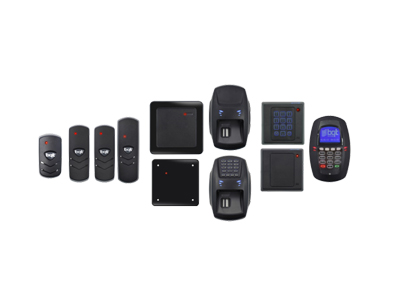
Investing in the right Electronic Security is the key to protecting your business and your data. Using antivirus software, firewalls, back ups and archived data can ensure that you’ll never lose your important data or be the victim of an electronic security breach. BQT Solutions to best electronic security to protecting your business and your data.
Firewalls
Having a firewall can help protect your business and your data from outside cyber attackers. In addition to blocking malware, a firewall can also prevent malicious code from spreading from an infected endpoint to other systems.

Next generation firewalls are designed to help companies protect their networks from new and recurring threats. They are equipped with increased automation and intelligence, and can detect and respond to malware and other attacks. They can also measure network bandwidth, identify applications at risk, and restrict access to unsuitable websites.
There are two types of firewalls – hardware and software. Each is specifically suited to the needs of a particular application. The hardware variety is ideal for perimeter defense, while software firewalls are a better fit for smaller businesses.
Hardware firewalls are physical appliances that are installed between a business’s network and its gateway. They intercept traffic requests and keep malicious traffic out of the system. They are frequently updated to ensure the best performance.
Antivirus software
Having antivirus software on your computer or mobile device is one of the best things you can do to protect your personal and business data. In fact, the best antivirus programs offer a range of features that protect your devices from a variety of different threats.
Viruses, worms, and malware are all programs that are designed to damage a device, steal personal information, or even prevent users from accessing their files. They are also designed to spread from one computer to another.
The good news is that the latest security technologies have made it possible for businesses to protect themselves from cyber threats. However, companies of all sizes need to take a multipronged approach to protect themselves from these attacks.
While the best antivirus programs are designed to block malicious programs, they can also be used to help detect them. These tools will scan your device, look for certain behaviors, and prompt you to take action to eliminate the threat.
Back up all data
Taking the time to back up all of your data is an important step to doing electronic security. Not only can it help you get your business back on track in case of an unplanned event, but it can also prevent your digital files from being destroyed or stolen by hackers.
Using a password to protect your backup is an effective way to prevent unauthorized access. You can also choose to back up your files on a cloud account, such as Amazon or Microsoft.
Several companies, including Google and Apple, offer free cloud storage. You can also opt to upgrade your space, either by buying more or sharing with others.
The most effective way to protect your information is to back up all of your valuable files. These could include photos, accounting files, word processing documents and more. You can use an external hard drive, a USB stick, or a cloud account. You can even use a local area network to backup your files to another computer.
Archive old or unneeded data
Having an effective strategy for archiving old or unneeded data for electronic security can be a great way to maintain your business’s integrity. It will ensure that your files are kept secure and protected from attackers. In addition, you can use your archived files for disaster recovery or regulatory compliance.
You will need to decide what types of data you are archiving, where it is located, and who will be able to access it. A software solution can automate the process and save time for your organization.
Archiving your data is a great way to free up storage space for newer information. It also can help your organization save money by using cheaper, faster storage devices.
Depending on your data compliance regulations, you may be required to archive your files for a certain number of years. The average file retention period is eight to ten years, but your business’s retention policy should be reviewed quarterly to ensure it meets your organization’s needs.