
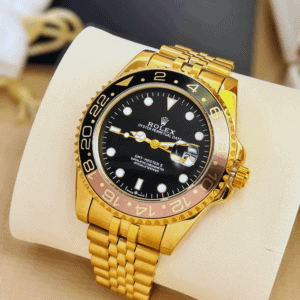
In the world of horology, the term “clone watches” often sparks a blend of fascination and controversy. These timepieces, which are meticulously crafted to replicate the design and aesthetics of luxury brands, offer an affordable alternative for watch enthusiasts who desire the look of high-end models without the hefty price tag. As the market for clone watches continues to grow, it’s essential to delve into the craftsmanship behind these replicas, the motivations that drive consumers to purchase them, and the implications for both buyers and the luxury watch industry.
While clone watches can be an appealing option for those looking to embellish their collection without breaking the bank, they also raise important questions about authenticity, brand integrity, and the fine line between admiration and imitation. This article aims to explore the various facets of the clone watch phenomenon, examining the ethical considerations, consumer perceptions, and the evolving landscape of watchmaking in an age defined by accessibility and affordability.
Craftsmanship Behind Clone Watches
The craftsmanship of clone watches often mirrors that of their luxury counterparts, with considerable attention to detail in the design and materials used. While original luxury watches boast exclusive components and heritage, clone manufacturers strive to replicate the visual elements to create a similar aesthetic experience. These replicas can often fool the untrained eye, featuring intricate dials, quality stainless steel cases, and quartz movements that enhance their appeal. Enthusiasts may find themselves drawn to these timepieces not only for their striking resemblance to high-end models but also for the craftsmanship that, while not equivalent to that of the luxury brands, offers a satisfying representation of horological artistry. For those specifically interested in models like thesuper clone rolex, the careful reproduction of iconic designs presents both an allure and a conversation starter within watch communities.
Consumer Motivations and Ethical Implications
The motivations behind purchasing clone watches range from financial constraints to a desire for variety without commitment. Many consumers appreciate the ability to accessorize without the fear of losing a significant investment, especially in a world where fashion trends can shift rapidly. Nonetheless, the ethical implications of buying clone watches cannot be ignored. They challenge the boundaries of intellectual property, raise questions about brand loyalty, and blur the lines between genuine admiration for the craft and opportunistic imitation. For luxury watch brands, the rise of clone watches has catalyzed a need for stronger brand protection measures and consumer education, as buyers are increasingly informed about the consequences of their purchasing decisions in a marketplace flooded with alternatives.
The Future of Clone Watches in the Horological Landscape
As the clone watch market continues to expand, it signifies a broader trend towards democratization in luxury goods, prompting both admiration and concern among enthusiasts and industry insiders alike. The intricate dance of craftsmanship, consumer desire, and ethical considerations is constantly evolving, reflecting shifting attitudes towards ownership and value in the modern era. While clone watches offer an accessible entry point for many into the world of fine timepieces, they also challenge luxury brands to innovate and articulate the unique value of authenticity and heritage. Moving forward, the conversation surrounding clone watches will likely intensify, urging consumers to reflect on their motivations and the ramifications of their choices while encouraging brands to engage with this new landscape in ways that respect creativity and foster appreciation for true craftsmanship. Ultimately, the presence of clone watches not only highlights the complexities of desire and imitation in the luxury market but also opens avenues for deeper discussions about what makes a watch valuable beyond its façade.