
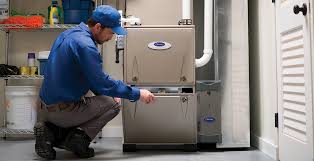
Installing a gas furnace is a critical task that requires careful planning and execution to ensure optimal performance and safety in your home heating system. With the right knowledge and tools, homeowners can successfully navigate the installation process, whether they are upgrading from an older unit or transitioning from a different heating method. This article will guide you through the essential steps of gas furnace installation, highlighting important considerations to make the process smoother and more efficient.
Understanding the intricacies of gas furnace installation not only enhances the longevity of your heating system but also ensures the safety of your home and family. From selecting the appropriate furnace size to properly venting the unit and ensuring compliance with local codes, each aspect plays a pivotal role in the installation process. By following best practices and consulting professionals when needed, you can achieve a reliable and efficient heating solution that keeps your space warm during the coldest months of the year.
Selecting the Right Furnace Size
One of the most critical steps in gas furnace installation is selecting the appropriate size for your home. An undersized furnace may struggle to keep up with heating demands, leading to inefficient performance and increased energy bills. Conversely, an oversized unit can cycle on and off too frequently, causing wear and tear while also leaving hot and cold spots in your space. To determine the right size, homeowners should calculate their heating needs using the BTU (British Thermal Unit) measurement based on their home’s square footage, insulation quality, and local climate conditions. For assistance with sizing and installation, you may consider reaching out to professionals, such as those at Indoor Elements Mechanical, who can provide tailored recommendations.
Proper venting is another crucial aspect of the gas furnace installation process. The vent system allows exhaust gases to exit your home safely, preventing harmful buildup and ensuring efficient operation. Depending on the type of furnace, venting may involve direct-vent systems, which draw air from outside and expel gases, or conventional venting that utilizes existing chimney structures. It’s essential to follow local regulations and industry standards during installation to mitigate risks. Regular inspection and maintenance of the venting system not only promote safety but also enhance the longevity and efficiency of your furnace.
In conclusion, successful gas furnace installation hinges on meticulous attention to detail and adherence to safety protocols. By carefully selecting the right furnace size and ensuring proper venting, homeowners can create a heating system that operates efficiently and effectively. It is advisable to involve professionals when uncertain about specific requirements or regulations, as their expertise can prevent potential hazards and enhance system performance. Regular maintenance post-installation is equally important to keep the furnace running smoothly throughout its lifespan. Ultimately, a well-installed gas furnace will not only provide warmth and comfort during the cold months but will also contribute to the overall safety and efficiency of your home heating system.