
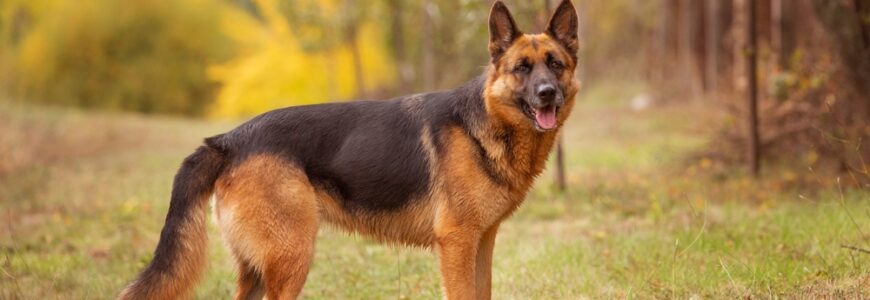
Bringing a German Shepherd into your home can be a wonderful choice, but it should fit your daily life, not just your idea of the perfect dog. These puppies grow into loyal, smart, and energetic companions, so they need time, training, and steady leadership. They can do well with families, children, and active owners, but they also need structure. Without it, their intelligence can turn into mischief, and nobody wants a furry mastermind running the house.
Why Can German Shepherds Be Great Family Dogs?
German Shepherds often form strong bonds with their people. They like being part of the action, whether that means joining a walk, lying near the kids during homework, or watching the yard like a tiny security manager with oversized ears.
They also learn quickly, which helps families teach basic manners early. Commands like sit, stay, come, and leave it can make daily life smoother. Because these dogs want to work with people, they usually enjoy training when it feels clear and fair.
Still, families should teach children how to respect the puppy, too. Kids should avoid pulling ears, grabbing toys, or bothering the dog during meals. When both puppy and children learn boundaries, the relationship grows safer and happier.
Energy also plays a big role. A German Shepherd puppy needs exercise, but it also needs mental work. Short training games, puzzle toys, and calm leash walks can help burn energy without turning every day into a circus.
If you are comparing German Shepherd puppies, think about your schedule as much as your space. A big yard helps, but it does not replace training or attention. These dogs want connection, and they do best when the family includes them in everyday routines.
What Should Families Consider Before Choosing One?
A German Shepherd puppy changes the rhythm of a home. The first months include potty training, chewing, biting, crate training, and plenty of repetition. Everyone in the family should use the same rules, because mixed signals confuse puppies fast.
You also need to plan for the adult dog, not just the puppy stage. That small ball of fluff will grow into a strong dog that needs manners on leash, around guests, and in public. Early training makes the future much easier.
Temperament matters, so choose carefully. Some puppies act bold and busy, while others seem calmer and more thoughtful. A responsible breeder can help match the puppy’s personality with your household, especially if you have young children or other pets.
Health should stay high on your list, too. Ask about the parents, health testing, vet care, and socialization. A healthy, well-raised puppy has a better chance of becoming a steady family companion.
In the end, German Shepherds can make excellent family dogs for homes that offer time, patience, and consistency. They give loyalty in spades, but they need guidance in return. When the match is right, this breed brings heart, protection, playfulness, and a whole lot of love to the family table.